



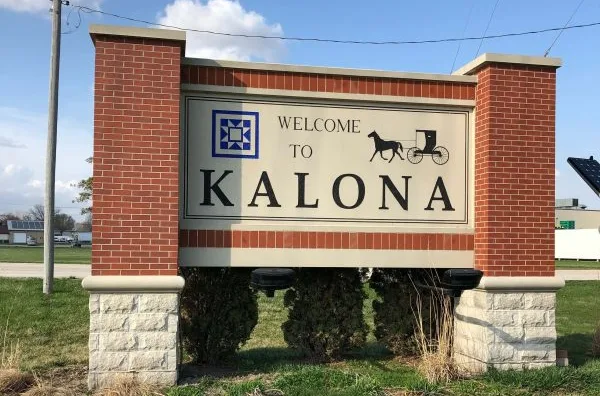
Local officials, including in the City of Kalona, are planning ahead following the passage of a new property tax bill at the statehouse in Des Moines.
The bill, passed by the Iowa Legislature late Sunday night, caps city revenue growth at two percent starting in the 2027-2028 fiscal year, putting limits on how fast a city’s revenue can grow off of property taxes. County hospitals are capped at four percent, and emergency management agencies at three percent. Other revenue sources, such as school funding, remain uncapped. The bill also limits local governments’ general funds to 35 percent of its budgeted expenditures.
Kalona City Administrator Ryan Schlabaugh says he anticipates that the city will hit that two percent growth limit every year moving forward, having averaged around four percent in allowable growth in previous years. He says the bill will provide a more consistent number for budgeting purposes, but will no longer allow the city to receive influxes of additional funding like in previous years. Schlabaugh says he expects the initial changes to be smaller in nature, “We’ll see a little reduction early on as we kind of navigate what that new norm is for us, but we’re talking fairly miniscule for us. … We had an increase this year that resulted in about $129,000 with additional revenue, and we’ll probably see a reduction of about $16,000 going forward for our total.”
The city normally brings in about $1.1 million in property taxes. Schlabaugh says the city has been fairly consistent with its tax asking over the past few years, but will face some challenges under the new bill, “We’re fairly consistent year in and year out, so I think we can keep that consistency, we can keep the level of service where it needs to be. There’s going to be challenges as we look at wants versus needs, and what the public would like to see. Some of our long-term projects might take additional time to get off the ground and get those funding sources stabilized so we can be ready to absorb those costs. Additional staffing might be a little bit slower. But I think in its current form it’s manageable, and it kind of sets a benchmark for us as administrators and finance folks and clerks to have a clear understanding of where the state’s going.”
The bill passed 41-1 in the Senate and 61-22 in the House. Schlabaugh encourages any Kalona or Washington County resident with questions to reach out to their local city administrator or city officials.